AI has really woven itself into our daily lives in ways we often take for granted. Remember the last time you used your phone to ask a question? That voice assistant is using AI to understand your request and give you a helpful response. Whether it's checking the weather or setting a reminder, AI makes these tasks simple and quick.
Shopping has also transformed thanks to AI. Online retailers use algorithms to recommend products based on what you've looked at or bought before. This means you can discover things you might not have known you needed, all while sitting in your pajamas. Plus, chatbots on websites help answer your questions instantly, making your shopping experience smoother than ever.
On the home front, smart devices are changing how we live. Smart speakers play music, control lights, and even help us manage our schedules. Things like smart thermostats learn your habits and adjust the temperature to save energy while keeping you comfortable. You can control everything with just your voice or smartphone, making your home feel like it’s working for you.
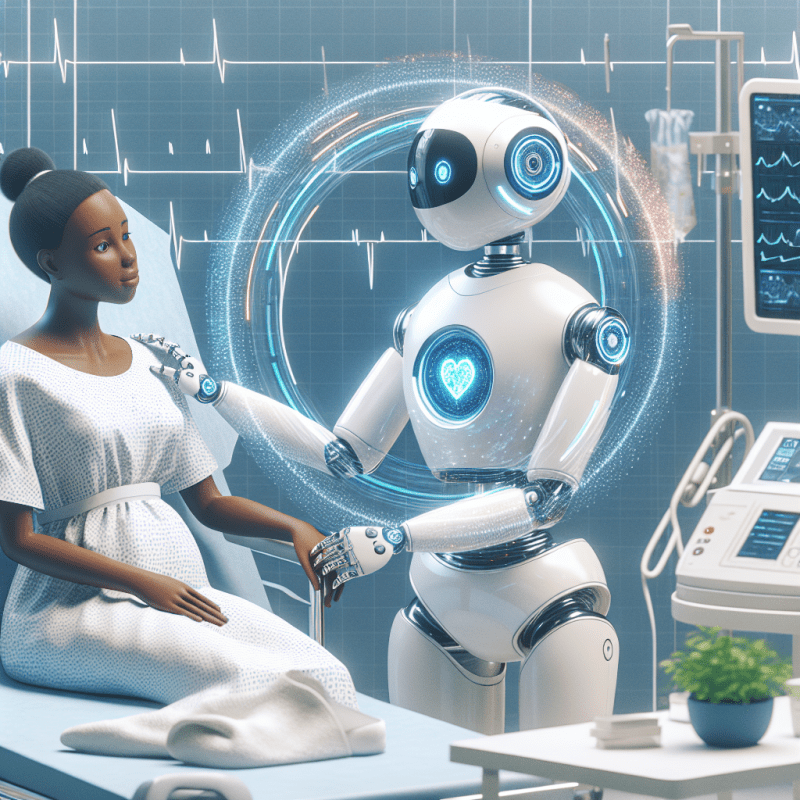
Even our health is impacted by AI. Fitness apps track our activities and provide insights to help us stay on track with our goals. Medical professionals use AI to analyze data and improve diagnoses. This tech helps us make better health choices and stay informed, which is pretty amazing.
Key Moments in AI Development
AI has come a long way since the early days. One key moment was in the 1950s, when Alan Turing introduced the Turing Test. This simple idea sparked conversations about whether machines could think like humans. Turing's work laid the foundation for future AI research, pushing experts to explore how computers could mimic human behavior.
Fast forward to the 1980s, and you see a surge in interest thanks to breakthroughs in neural networks. Researchers started building systems that could learn from data, improving how machines understood complex problems. This was a game-changer. Suddenly, machines weren’t just following rules; they could recognize patterns and make decisions on their own.
Then in 2012, a big leap happened with the development of deep learning. A group of researchers showed that deep neural networks could classify images better than ever before. This breakthrough grabbed a ton of attention and proved that AI could tackle real-world challenges like image recognition and natural language processing.
Today, we’re in an age where AI touches our lives in countless ways—from virtual assistants like Siri and Alexa to advanced algorithms that recommend what to watch next on Netflix. These key moments in AI development show us how far we've come and highlight the incredible potential for the future.
Impact of AI on Different Industries
Artificial Intelligence is changing the game across various industries. It’s not just a tech trend; it’s reshaping how businesses operate and deliver value. Let's dive into a few areas where AI is truly making waves.
In healthcare, AI helps doctors diagnose diseases faster and more accurately. With smart algorithms analyzing patient data, it's like having a second pair of eyes. AI can even predict patient outcomes and suggest personalized treatment plans. This means quicker, safer, and more efficient care for everyone involved.
Retail is another industry that’s benefiting a lot from AI. Think of those personalized recommendations you see when shopping online. That’s AI at work! It analyzes your past purchases and browsing habits to suggest items you might actually want. Plus, chatbots are stepping in to answer questions and assist with orders any time of day.
Manufacturing has also jumped on the AI bandwagon. Machines equipped with AI can monitor production lines in real-time, detecting issues before they become big problems. This leads to less downtime and more products rolling out the door. Companies can optimize their resources and boost productivity, all thanks to smart tech.
Finally, in finance, AI makes predicting market trends more efficient. It assesses large volumes of data quickly, spotting patterns that human analysts might miss. This ability can help firms manage risks, automate trading, and enhance customer service by offering tailored financial advice. AI's influence across these sectors highlights its potential to drive innovation and improve lives.
Future Trends in Artificial Intelligence
Artificial intelligence is really shaking things up in so many ways, and it’s just getting started. As we look ahead, a few trends are already making waves. One of the biggest? AI is becoming even more integrated into our daily lives. Whether you’re using voice assistants or chatbots, AI is sneaking into everything we do. It’s like having a super-helpful buddy at your side, ready to lend a hand.
Another trend to keep an eye on is personalization. AI can analyze your habits and preferences to tailor experiences just for you. Imagine a streaming service that knows exactly what mood you’re in and suggests the perfect show or movie for the night. Or an online shop that curates items based on what you like. This type of customization is not just convenient; it’s creating a more engaging experience.
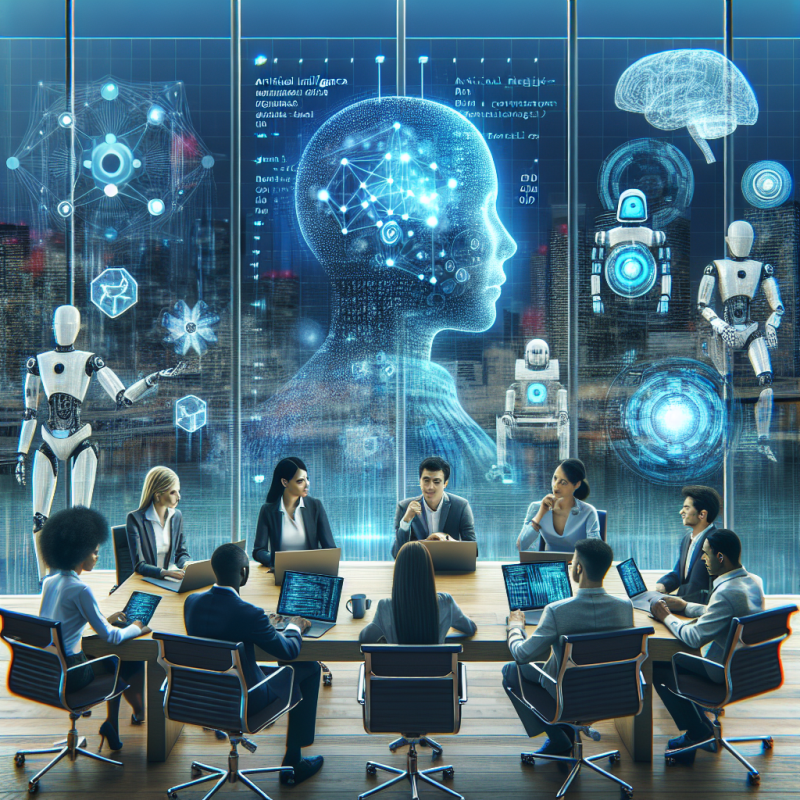
Then there's AI in the workplace. We’re seeing tools that automate tasks, help with decision-making, and even support creativity. Think about how AI can help with analyzing data or generating reports in a snap. It’s all about boosting productivity and allowing people to focus on what they do best. Businesses are embracing these technologies, and it’s changing the way we work.
Let’s not forget about ethical AI. As technology grows, so does the conversation around fairness and bias. Companies are starting to realize they need to be responsible with how they use AI. This means developing guidelines and frameworks to ensure that AI doesn’t just work, but works fairly for everyone.